Think about how much of your life is protected by a password.
Your email. Bank accounts. Social media. Cloud storage. Online investments. Business accounts. Photos. Subscription services. Cryptocurrency. Maybe even important documents your family would need if something happened to you. 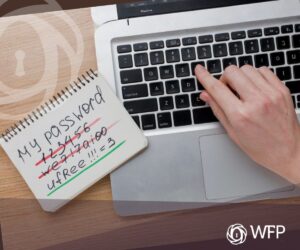
Now ask yourself one question: If you died tomorrow, would anyone know how to access any of it?
Estate planning has changed. Protecting your home, savings, investments, and other physical assets is still important, but your estate plan also needs to account for the digital life you have built.
Your Digital Life Is Part of Your Estate
Digital assets can have both financial and sentimental value. Online financial accounts and cryptocurrency may represent significant wealth, while years of family photos stored in the cloud may be priceless to your loved ones.
Business owners may have even more at stake. Websites, social media accounts, customer information, digital payment systems, advertising platforms, and cloud based documents could all be essential to keeping a company operating.
If no one knows these assets exist or how they should be handled, your family or business could be left trying to piece everything together after you are gone.
Should You Give Someone All Your Passwords?
Writing every password on a piece of paper and placing it in a desk drawer might seem like a simple solution, but digital estate planning should involve more than sharing login information.
Accessing another person’s digital accounts can involve privacy laws, terms of service, and other legal restrictions. Having someone’s password does not necessarily mean you have the legal authority to access or manage the account.
Instead, your estate plan should identify who you trust to handle your digital affairs and provide the appropriate legal authority for that person to act when necessary.
What Happens to Your Social Media Accounts?
Social media has created an entirely new estate planning question: What happens to your online presence after you die?
Depending on the platform, accounts may be memorialized, deleted, or handled according to settings you selected during your lifetime. Your family may want access to photos, videos, messages, or other content stored within those accounts.
Deciding what you want to happen ahead of time can help your loved ones avoid guessing about your wishes.
What About Cryptocurrency and Other Digital Assets?
Some digital assets cannot simply be recovered by calling customer service.
Cryptocurrency is an important example. Access may depend on private keys, seed phrases, digital wallets, or other credentials. If that information is lost, the asset itself could potentially become inaccessible.
Your estate plan should consider how these assets will be identified, protected, and ultimately transferred while keeping sensitive access information secure.
Business Owners Have Even More to Protect
If you own a business, digital access can become a business continuity issue.
What happens if you are the only person with access to your company’s website, email accounts, social media pages, payment processors, cloud storage, or other essential systems?
Losing access could disrupt operations at exactly the time your employees and family are already dealing with your absence. Incorporating digital assets into your estate and succession planning can help ensure that the right people have the legal authority and information necessary to keep the business moving forward.
Your Passwords Change, So Your Plan Should Too
Digital estate planning is not something you can complete once and forget about. Passwords change. New accounts are created. Old accounts are closed. New investments and digital assets may be added over time.
Your estate plan should be reviewed periodically to make sure it still reflects your digital life. You should also have a secure system for maintaining an up to date inventory of important accounts and instructions without unnecessarily exposing sensitive information.
Do Not Leave Your Digital Life Locked Away
Your family should not have to become digital detectives after you are gone.
A comprehensive estate plan can address more than who receives your home, money, and personal belongings. It can also establish how your digital assets should be managed, who has authority to handle them, and what should happen to the online life you leave behind.
At WFP Law, we help individuals, families, and business owners create estate plans that reflect the way people actually live today, including the digital assets that are becoming an increasingly important part of modern estates. Visit https://wfplaw.com/contact-us/ to schedule a consultation and make sure the things you protect with a password are protected by your estate plan too.